How I got here
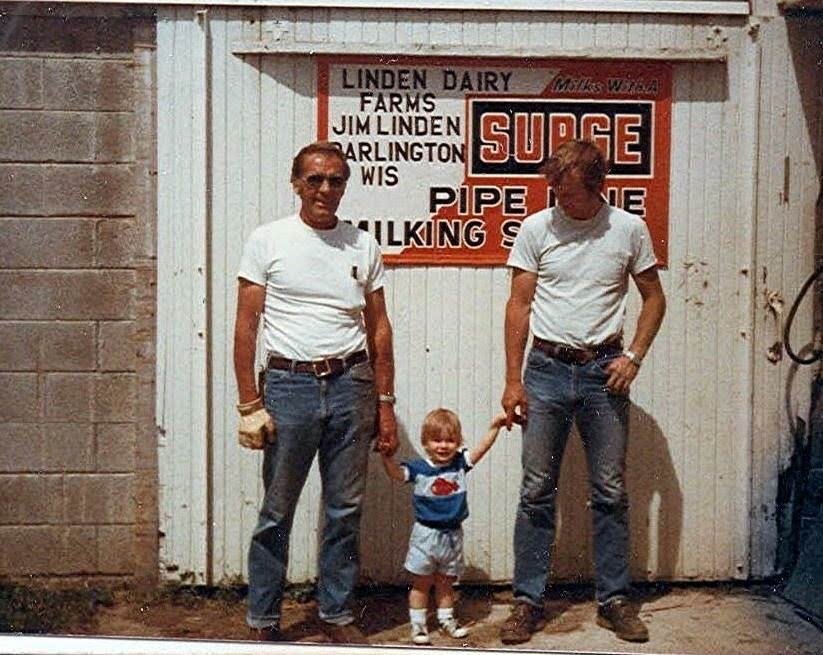
I grew up on a small family dairy farm in Wisconsin, where responsibility was part of everyday life from a young age. The work was constant and practical. Feeding calves, milking cows, field work, fixing what broke, and doing what needed to be done regardless of timing, weather, or weekends. That environment made it clear early on that systems matter, problems don’t pause, and solutions only count if they hold up in real-world conditions.
I took a winding path through college before landing on Sustainable Management at the University of Wisconsin–Stout, which is a big part of why so much of my work has been with environmental and energy companies. Along the way, I found myself drawn toward environments where learning happened through doing, and where progress depended on understanding how things actually worked.
That path started at Alice.com, where I built out the customer service team and its SLAs, then took on product manager responsibilities alongside it. After a stint coordinating renewable energy projects at IEA, I joined PegEx, where I led product and then moved into sales engineering, working with environmental services companies on both sides of the sale. Today I consult with teams on sales operations, business processes, and the systems behind them.
How I think about my work
I tend to approach work by slowing down at the beginning, especially when problems feel urgent or ill-defined. I’ve been in many situations where proposed solutions were thoughtful and well-intentioned, but the underlying problem hadn’t been fully examined. Taking the time to understand what someone is actually trying to solve, and why, often leads to better decisions, clearer priorities, and work that holds up beyond the initial push to act.
I also believe good work happens at the intersection of analysis and context. Data and structured thinking are essential, but they’re most useful when paired with an understanding of real users, customers, and organizational dynamics. The best ideas are the ones that can be explained clearly, supported by evidence, and carried through by the people responsible for using them. My work stories show what that looks like in practice.
Outside of work
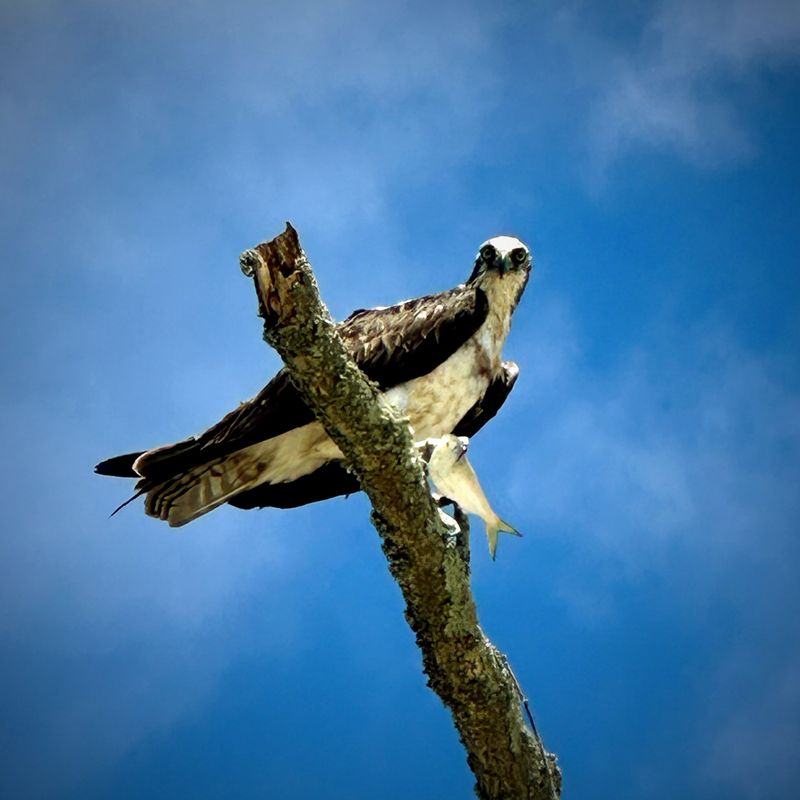
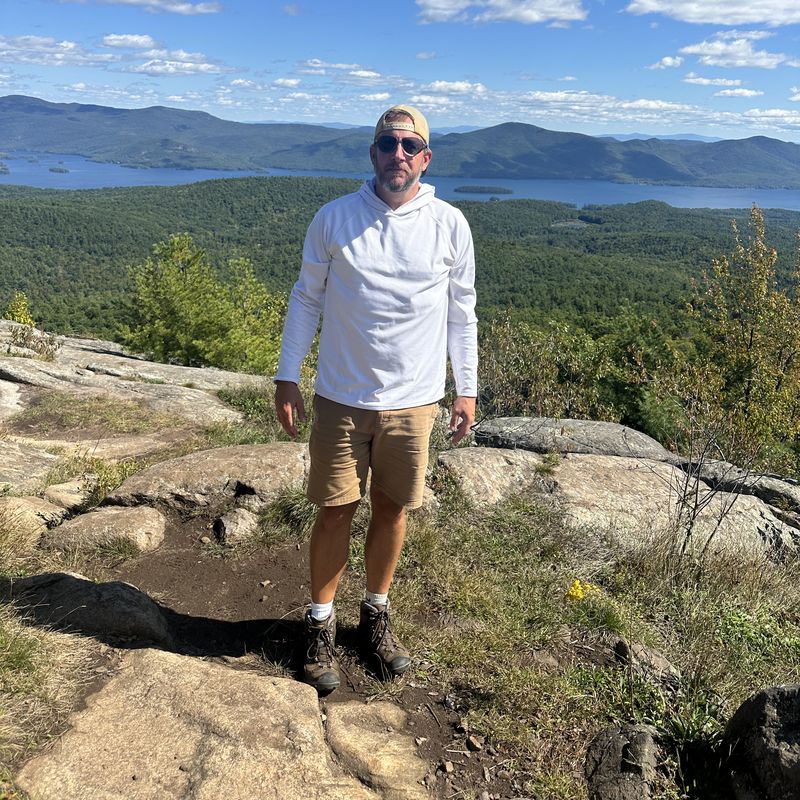
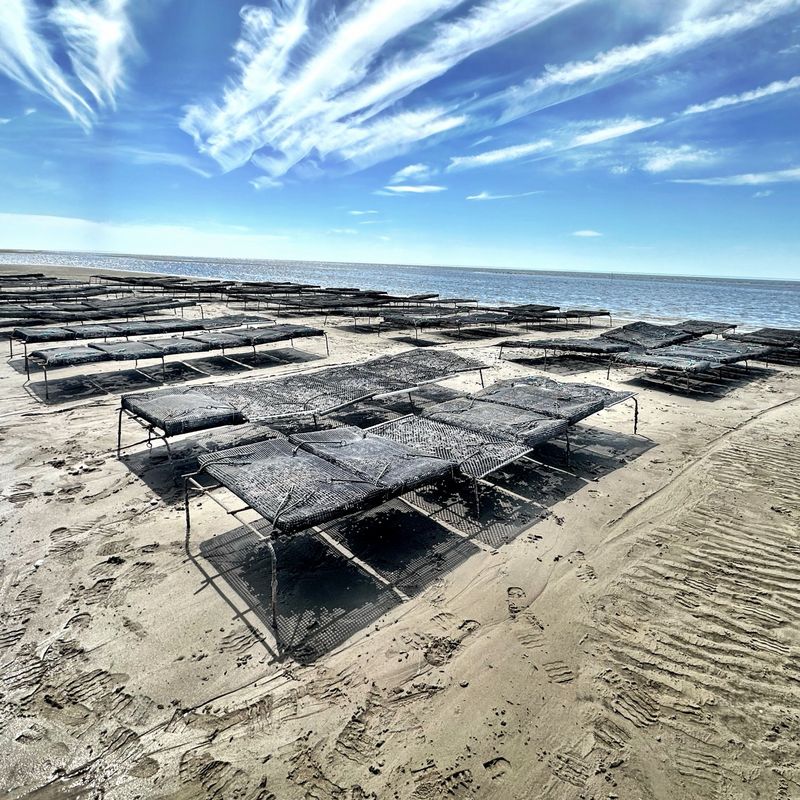
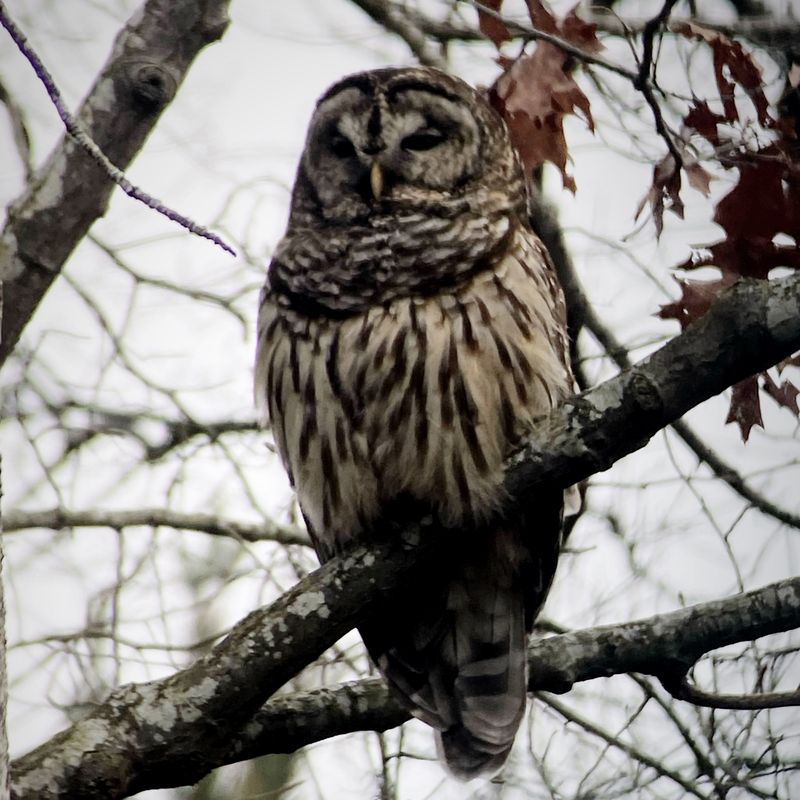
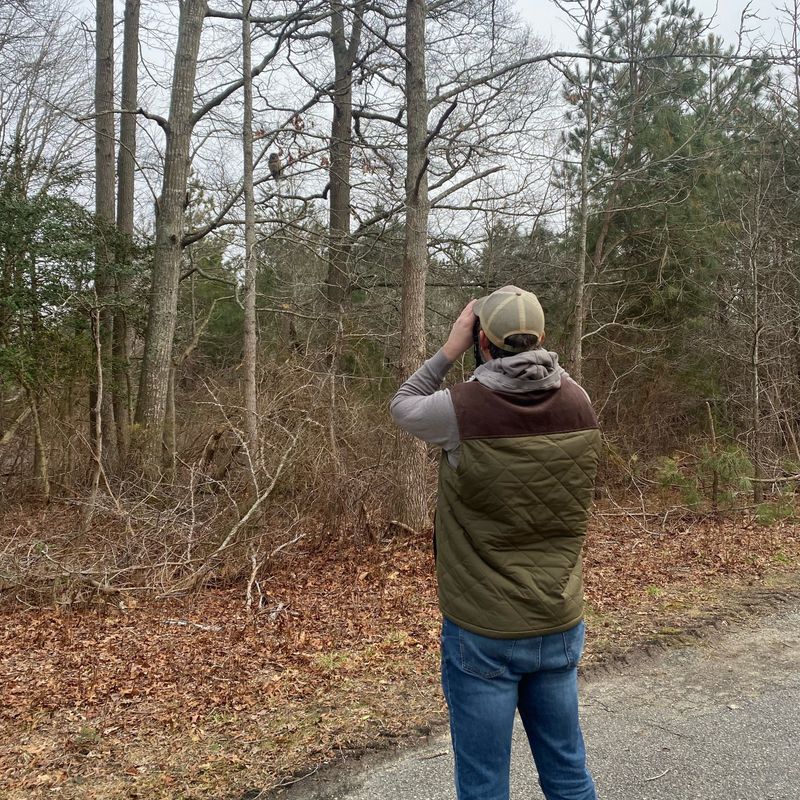
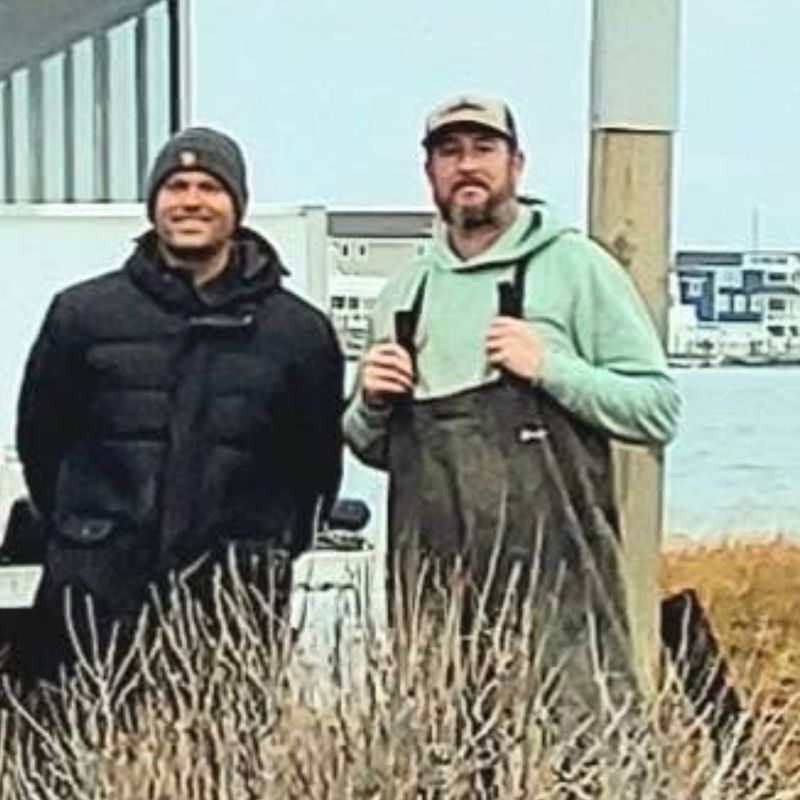
Living in Cape May, I spend a lot of time outside. I’m an avid birder, which mostly means patience: standing still long enough to notice what’s actually there. I’ve also helped put up osprey nesting platforms as part of local conservation efforts. I also help out on a local oyster farm when my schedule allows. It keeps me connected to the farm work I grew up with, and it’s where I learn what the people using the aquaculture system I’m building actually need.
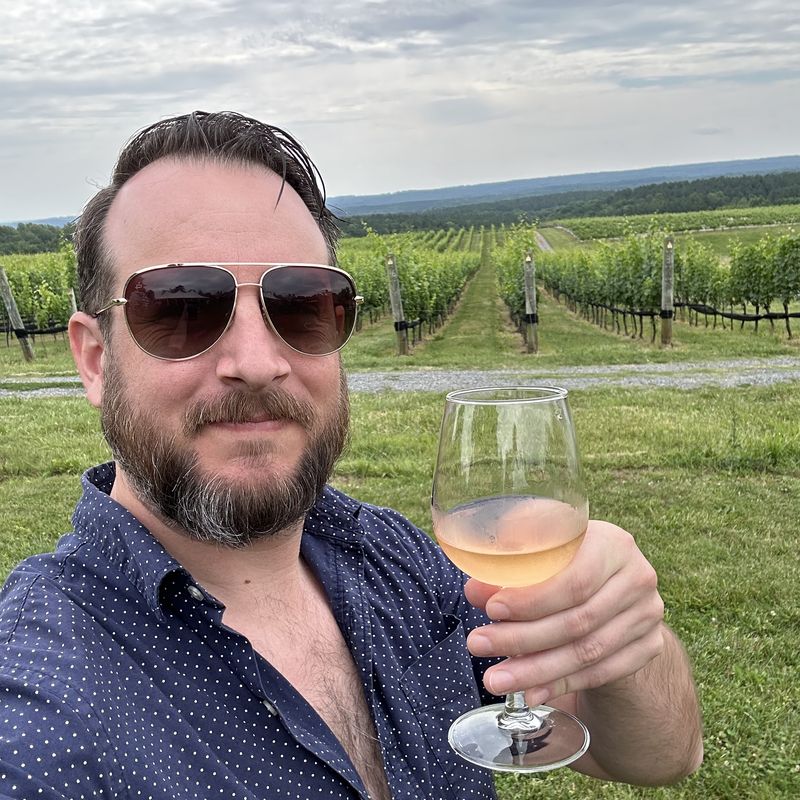
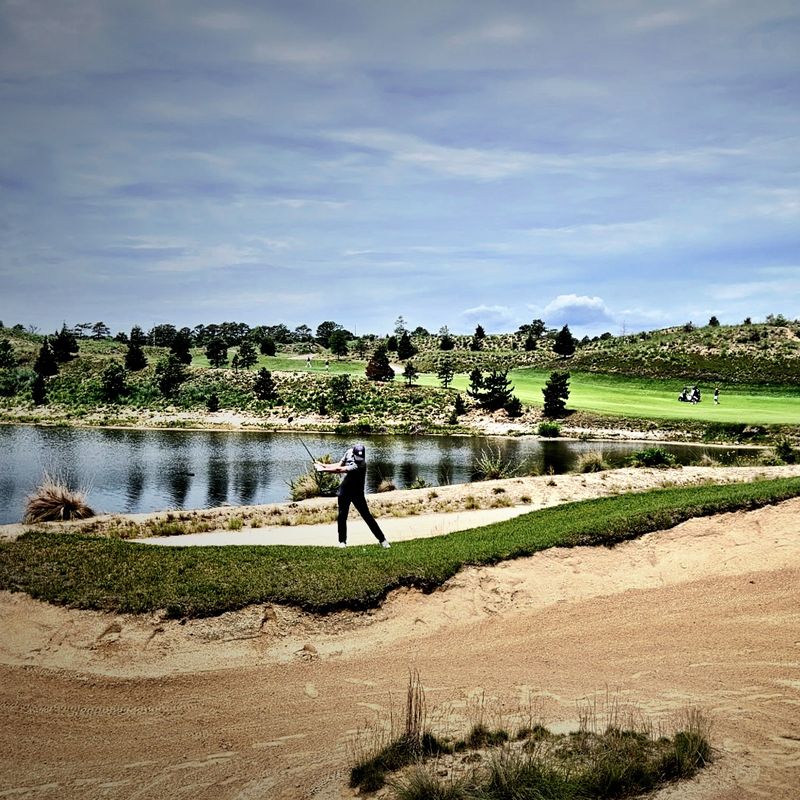
I’m drawn to systems, even in my free time. I golf, and I build Monte Carlo models in Python to simulate PGA Tour events, mostly to understand how much of an outcome is skill, how much is variance, and where the small edges hide. My girlfriend and I also keep a log I built to track our wine cellar, the wineries we’ve visited, and the ones still on the list. And a few friends and I make our own wine together, which is mostly an excuse to get together.
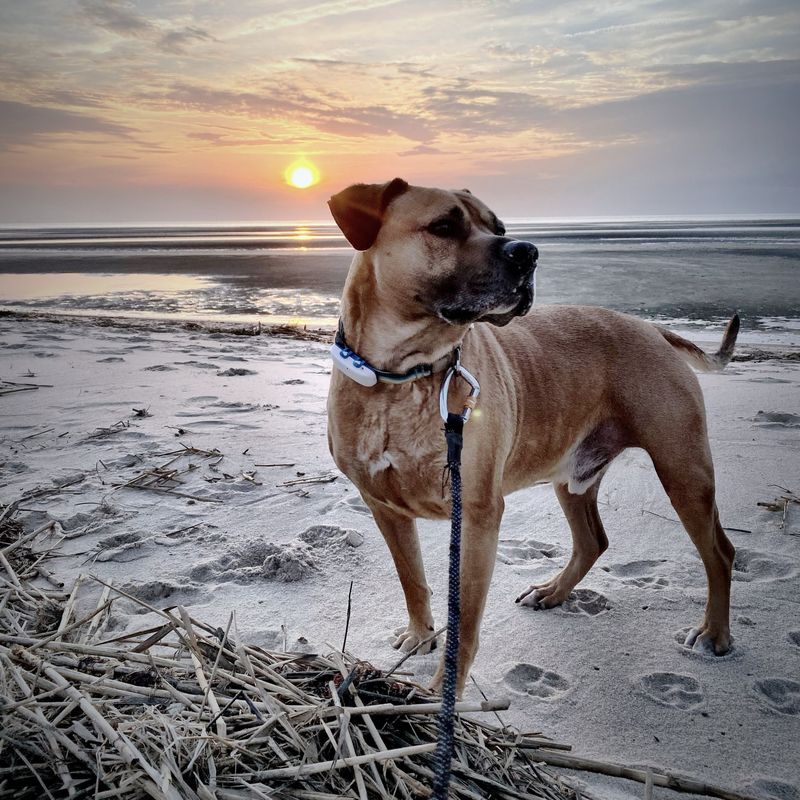
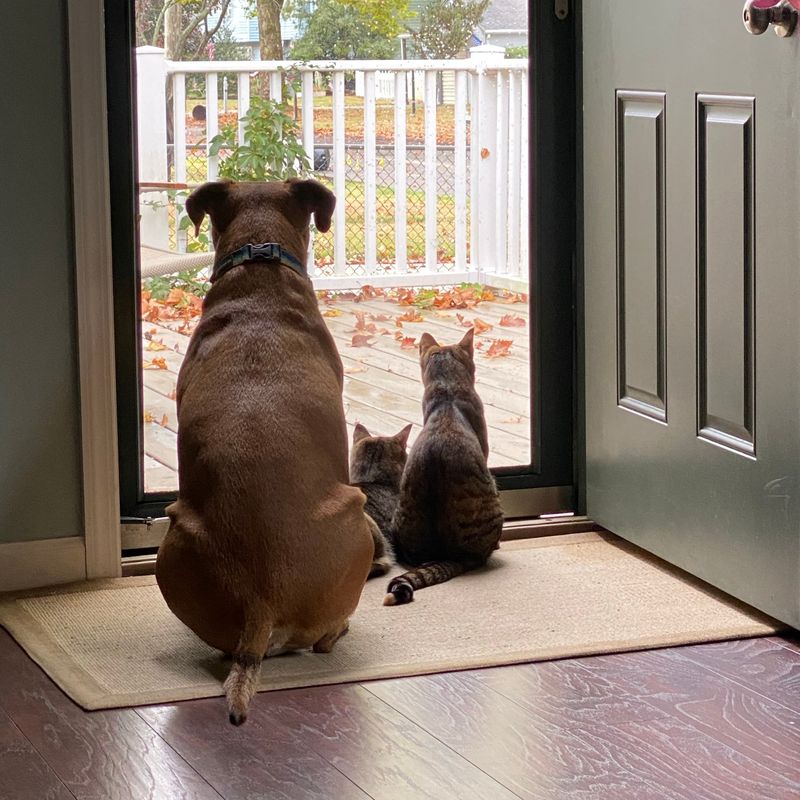
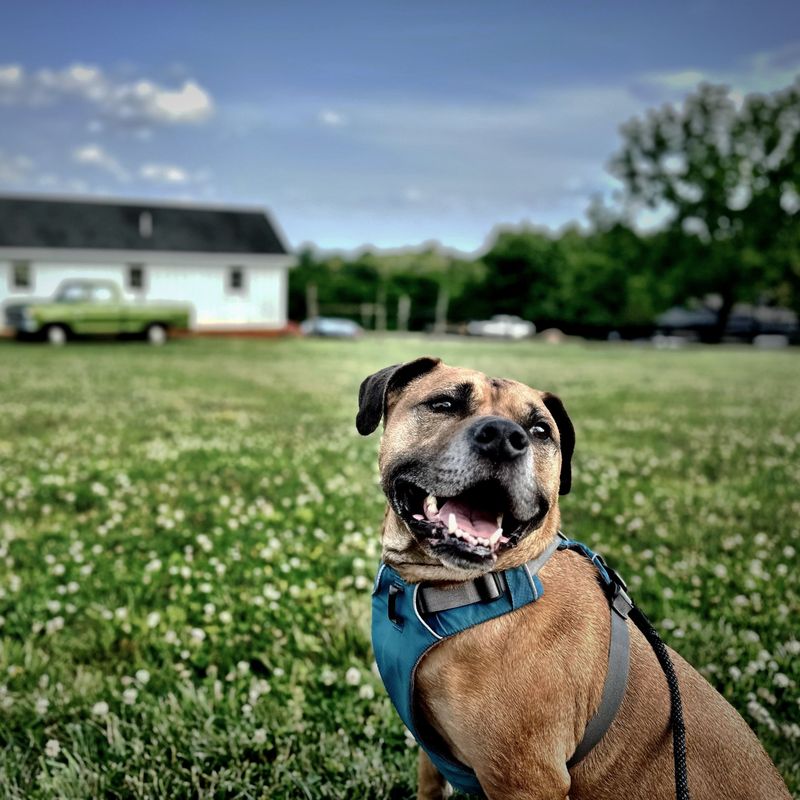
Beyond that: two book clubs, every Oscar-nominated film each year, live music, trips to national parks and wine regions, my dog Mookie and two cats, Sadie and Prudence (a White Album homage), and a lifelong loyalty to the Packers, Brewers, and Bucks that’s proven both rewarding and character-building.